If you run a local business, “local SEO” is probably a phrase you have heard thrown around without anyone explaining what it actually means. This is that explanation, in plain English. No jargon, no gatekeeping, just what local SEO is, why it matters for a small business, and the handful of things that actually move the needle. Consider this your starting point; we link out to step-by-step guides for each piece as we go.
What Is Local SEO?
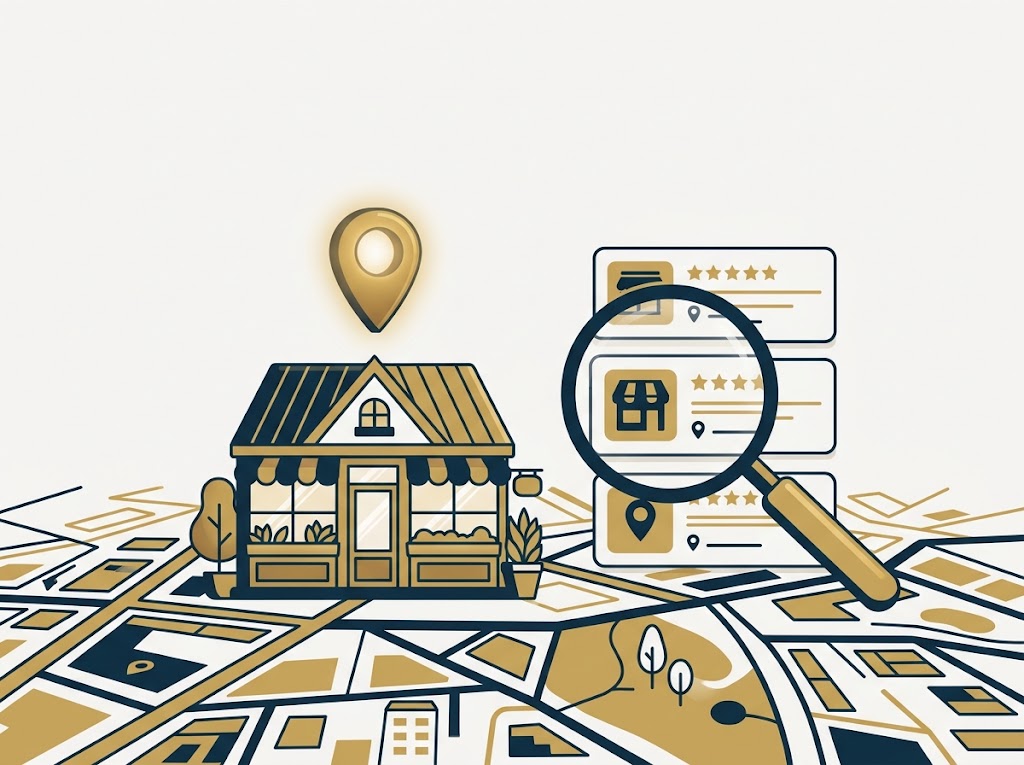
Local SEO (search engine optimization) is the work of getting your business to show up when nearby customers search for what you sell. When someone types “plumber near me” or “best taco shop in Coronado,” Google decides which businesses to show at the top, on the map, and in the list below it. Local SEO is simply the set of steps that make Google confident enough to put you there. Regular SEO is about ranking a website worldwide; local SEO is about winning your town, your neighborhood, and the map.
Why Local SEO Matters for a Small Business
Most people who search for a local service are ready to act. They are not browsing, they are looking to call, visit, or book, often within the hour. The businesses that appear in the top few results and in the map pack (the block of three businesses Google shows with a map) capture the large majority of those clicks and calls. Everyone below the first screen splits the leftovers. That is why the gap between showing up near the top and showing up on page two is not small, it is the difference between a steady stream of new customers and near silence. The good news for a small business is that local SEO is winnable. You are not competing with the whole internet, only with the other businesses serving your area.
The Building Blocks of Local SEO
Local SEO looks complicated from the outside, but it comes down to a few core pieces working together.
1. Your Google Business Profile. This is the single most important asset in local SEO. It is the free listing that powers your spot on the map and in Google search. If you have not claimed and verified yours yet, start with our guide on how to claim and verify your Google Business Profile, then run through the five things to do right after your profile goes live.
2. Consistent listings and citations. Google cross-checks your business name, address, and phone number across the web to confirm you are real and where you say you are. When those details match everywhere, you earn trust; when they conflict, you lose it. That means claiming other directories too, including Bing Places for Business, and locking down your business name and domain so no one else muddies your listings.
3. Reviews. Google reads both the number and the quality of your reviews as a signal of trust, and so do customers. A steady flow of recent, genuine reviews is one of the strongest and most controllable ranking factors you have.
4. Your website. Your profile does a lot of the heavy lifting, but a fast, clear website confirms who you are, what you offer, and where you work. If you are still deciding whether you even need one, we make the case in do you even need a website for your small business, and we break down real numbers in how much a small business website costs. On the site itself, the right SEO plugin makes optimizing each page far simpler.
5. Activity. Google favors profiles that stay active. Posting updates and photos to your Google Business Profile, answering questions, and keeping hours and services current all tell Google your business is alive and worth showing.
Your First 90 Days: A Simple Plan
You do not need to do everything at once. A realistic order looks like this. In the first two weeks, claim and fully complete your Google Business Profile and add real photos. In the first month, get your name, address, and phone number listed consistently on the major directories and ask your happiest recent customers for reviews. Over the next two months, keep posting to your profile, keep the reviews coming, and tighten up your website so each service and location has its own clear page. Local SEO compounds, so the steady, boring consistency is exactly what wins.
Common Mistakes to Avoid
Three mistakes sink more small businesses than any algorithm ever will. The first is claiming your profile and then abandoning it, so it slowly goes stale. The second is inconsistent contact details across the web, which quietly erodes Google’s trust. The third is never asking for reviews, then wondering why competitors with fifty reviews outrank you. Fix those three and you are ahead of most of your local competition.
Local SEO FAQ
Is local SEO free? The core of it is. Your Google Business Profile, directory listings, and asking for reviews cost nothing but time. You can pay for help or for ads, but the foundation is free.
How long does local SEO take? Expect to see movement in a few weeks and meaningful results over a few months. It builds steadily rather than flipping on overnight.
Do I need a website for local SEO? You can rank on the map with just a Google Business Profile, but a website strengthens your results and gives customers somewhere to learn more and take action.
Feeling stuck? Keelmark Digital sets up and manages local SEO for small businesses so you can get back to running yours. Tell us about your business and we will map out your local search plan.

Leave a Reply