It is a fair question, and more owners ask it than you would guess. You already have a Facebook page, maybe an Instagram, and you just claimed your Google Business Profile. People can find you, message you, and see your hours. So do you really need a website for your small business on top of all that in 2026?
Here is the honest answer, with no sales pitch buried in it: for most small businesses, yes, you still need a website, but the reason is probably not the one you have heard. Let us walk through when you might get away without one, and what a real website actually does that a rented social page or a map listing never will.
The honest part first: when you might not need a website for your small business yet
A good web studio should be willing to tell you when to wait, so here it is. There are a few cases where a website can sit on the back burner for a little while:
- You are testing a brand new idea and just want to see if anyone bites. A single landing page, or even a complete Google Business Profile, can validate demand before you invest in a full site.
- You are a purely walk-in local spot, like a food cart or a chair you rent, where a strong Google profile and a steady stream of five star reviews genuinely do most of the heavy lifting.
- You are already booked solid on word of mouth and you are not trying to grow.
If one of those is you, spend your energy on your Google Business Profile and your reviews first. That is the honest move. But if you plan to grow, sell online, win larger or repeat clients, or simply stop losing customers to competitors who look more established, a website stops being optional. Here is why.
Why a real website still wins in 2026
1. You own it, and nobody can take it away
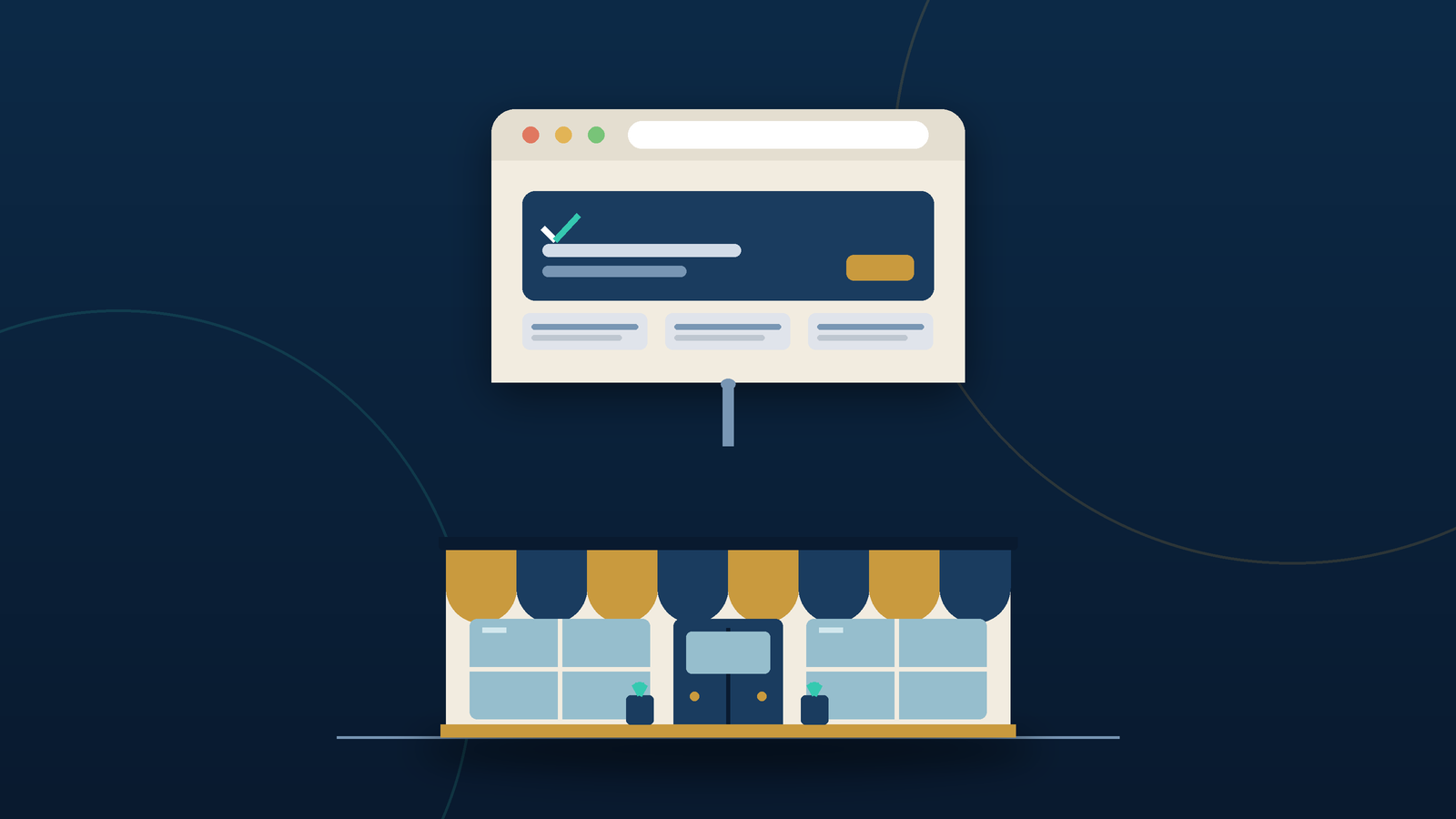
This is the big one. A social page is rented land. The platform sets the rules, throttles your reach, changes the algorithm, and can suspend your account with no warning and no phone number to call. Your website is the one piece of your online presence that you actually own. It is the storefront no platform can lock you out of or quietly charge you to be seen on. Everything else you build online should point back to it.
2. It is where people decide whether to trust you
Before someone calls, books, or hands you money, they check you out. When they cannot find a real website, or they land on a page that looks unfinished, a quiet doubt creeps in. A clean, professional site does the opposite: it tells a first time visitor that you are established, that you take your work seriously, and that you will still be here next year. For a lot of buyers, that reassurance is the difference between a message and a bounce.
3. It is how you get found on Google, not just on social
Your Google Business Profile and your website are teammates, not rivals. The profile helps you show up on the map, and the website gives Google real pages to rank when someone searches for what you do. Social posts disappear down the feed in a day. A well built page can bring in customers for years. If you want to be found by people who are searching right now with their wallet out, you need pages that Google can read, rank, and link to.
4. It works for you around the clock
A website does not sleep. It answers the common questions, shows your prices or your process, takes a booking, collects a quote request, or makes a sale while you are on a job or off the clock. Set up well, it quietly turns curious visitors into paying customers without you touching your phone.
5. It makes every other channel work harder
Your business card, your van wrap, your Instagram bio, your Google ad: they all need somewhere to send people. When that somewhere is a website you control, every dollar you spend on marketing works harder, because it lands on a page built to turn a visitor into a customer instead of on a feed built to keep them scrolling.
What a real website actually needs to do
Here is the good news: a website that works does not need to be huge or complicated. It needs to do a few simple things well.
- Say clearly what you do and who you help, right at the top, in plain language.
- Show proof: reviews, real photos of your work, credentials, and anything that builds trust.
- Make getting in touch effortless, especially on a phone, with a tap to call or a short contact form.
- Load fast and look right on mobile, where most of your visitors actually are.
- Be findable: proper page titles, local keywords, and a clean connection to your Google Business Profile.
That is it. A focused five page site that nails those basics will outperform a sprawling, slow, hard to update one every time. If you want a realistic sense of what that costs, we broke it down in our guide to how much a small business website costs in San Diego.
You do not have to build it yourself
The reason a lot of owners put this off is not that they doubt a website matters. It is that building and maintaining one sounds like one more full time job on top of running the business. It does not have to be. That is exactly what we do at Keelmark Digital. We are a veteran owned studio, and we design, launch, and look after professional websites so you can get back to running your business instead of babysitting your website. You own everything, there is no lock in, and the ongoing care is handled for you.
If you are weighing whether it is time, take a look at what we build and how our pricing works. And if you would rather just talk it through with someone who will give you a straight answer, we are happy to do that too.
The bottom line
Could you technically run a small business with no website in 2026? In a few narrow cases, for a little while, yes. But for almost everyone who wants to grow, look credible, and get found on Google, a real website is still the smartest, most durable investment you can make in your online presence. It is the one piece you truly own, and it makes everything else you do work better.

Leave a Reply